Research
Rethinking health together
Medical progress and scientific curiosity are at the heart of our work. We are convinced that advances in medicine should not only expand knowledge, but also drive sustainable change. Our research projects aim to develop innovative prevention and therapeutic approaches for lifestyle/stress-related conditions while actively strengthening health literacy and changing health behavior. In addition, we investigate structural prevention strategies – i.e. the health-promoting design of living and working environments. We believe that sustainable health promotion is most effective when individuals are empowered and supported by environments that make it easier to achieve and maintain health.
Access to innovative prevention and treatment approaches
By participating in our clinical studies, participants gain early access to innovative prevention and therapeutic approaches and help make these treatments accessible to many people in the long term. All our studies are ethically approved and conducted in compliance with Good Clinical Practice (GCP) and regulatory standards.
Human-centered science
Our research does not pursue a one-size-fits-all solution. Instead, we are committed to individualized medicine – approaches that place people at the center, taking into account their personal circumstances, life histories, and needs. Because health is as individual as each person. Accordingly, we follow a participatory research approach that actively involves participants throughout the research process – from identifying relevant research questions and developing appropriate interventions to evaluating their effectiveness.
Current Studies
Interested in taking part in a study? Explore our current studies and get in touch with us by email. The relevant study contact is listed at the end of each study page.

Study number: Application pending
Study title: Strengthening health literacy and slowing down dementia progression – Complementary self-help strategies to enhance health literacy among dementia caregivers: a randomized controlled trial (CALM)
Status: The study does not yet recruit participants.
Contact person: Dr. Heidemarie Haller
Study goal: Dementia progression is not only influenced by biological factors, but also through the quality of care. The aim of this study is to investigate complementary care and self-care strategies combined with mind-body medicine, which are aimed at strengthening the health literacy and psychological wellbeing of informal caregivers – as potentially moderating factors in dementia progression.
Eligibility requirements:
- Age 18 and onwards
- Relative/closely affiliated person of someone in need of care with a dementia diagnosis
- Willingness to fill out questionnaires and take part in 8 (digital) workshops within 6 months
Study number: Application pending
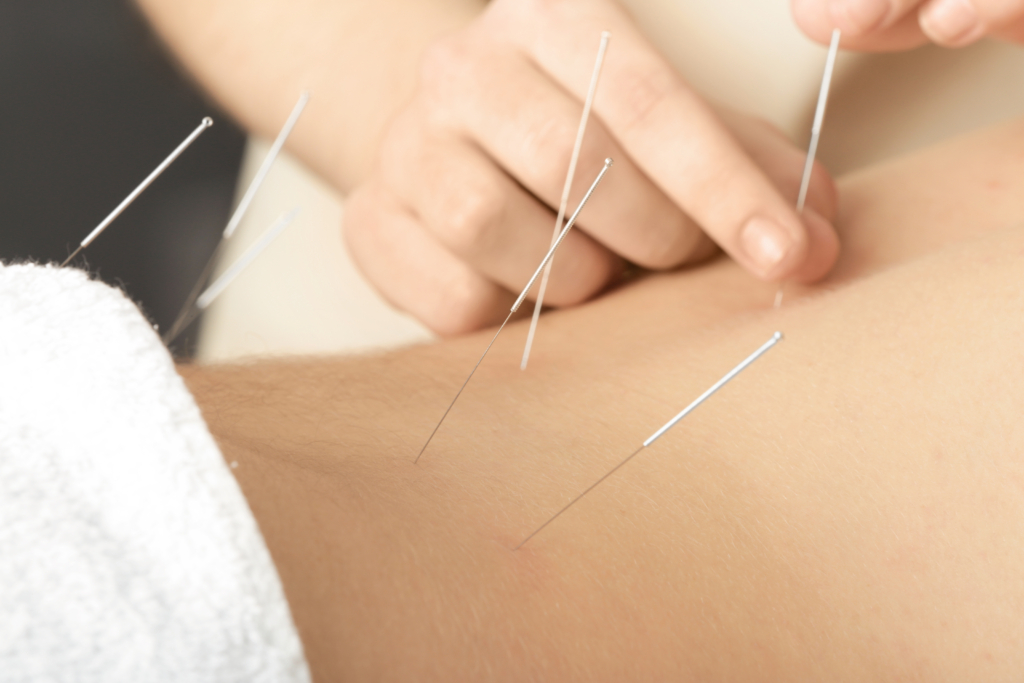
Study title: Finding calm in hospital work setting – Stress reduction through acupuncture for employees in the healthcare sector: a randomized controlled trial (EASE)
Status: The study does not yet recruit participants.
Contact person: Dr. Heidemarie Haller
Study goal: Employees in the healthcare sector are often exposed to physical and psychological strains, which can lead to increased stress levels and health impairments in the long-term. This study investigates the effect of a new, semi-standardized form of acupuncture (RAVA: Regulating and Vitalizing Acupuncture) on the experience of stress, resilience and sleep quality of hospital employees.
Eligibility requirements:
- Age 18 and onwards
- Employee of University Medicine Essen
- Willingness to fill out questionnaires and take part in acupuncture treatments 1x per week over the course of 8 weeks
Study number: NCT06666296 | 19-8759-BO
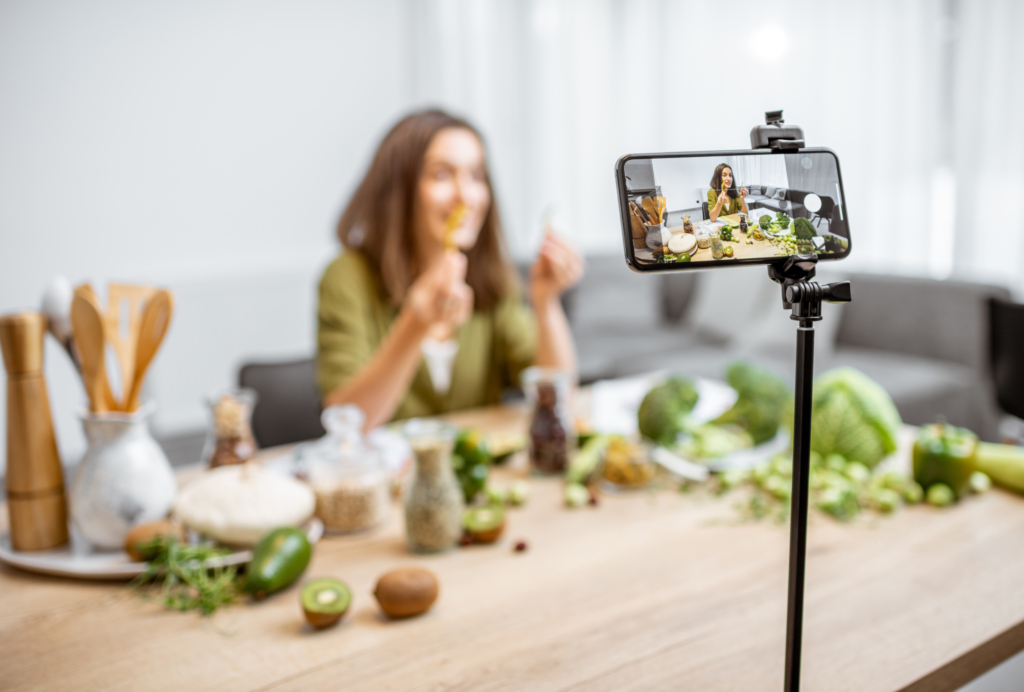
Study title: Sustainably healthy – The effect of digital nutrition strategies on hospital employees as multiplicators of the Planetary Health Diet: a randomized controlled trial (EAT GOOD – EAT SMART)
Status: The study does not recruit participants anymore.
Contact person: Merle Vollgraf
Study goal: The University Medicine Essen has set the goal for itself to implement the criteria of a “Green Hospital”, in order to contribute to sustainability and resource conservation. Employees are supposed to be involved in this process from the start, to be able to make informed decisions together for more responsibility for themselves and their personal, work-internal and -external environment. The EATGOOD study investigates the impact of digital nutrition strategies on the attitudes and nutrition behaviours of hospital employees as multiplicators of the Planetary Health Diet.

Study number: NCT05798221 | 22-11002-BO
Study title: Back to strength after COVID – Complementary self-care and mind-body medicine for post-COVID: a randomized controlled trial (NASH-POCO)
Status: The study does not recruit participants anymore.
Contact person: Nhi Coa
Study goal: Even weeks or months after an overcome COVID-19 infection, many people suffer from ongoing symptoms like fatigue, breathlessness or concentration issues – the post-COVID-19 syndrome. The goal of this study is to investigate to what extent self-care strategies from complementary medicine and mind-body medicine can contribute to reduce the symptoms of post-COVID and increase the quality of life of the affected persons.
Study number: Application pending
Study title: Moving forward – but healthier: Lifestyle change through mind-body medicine after heart attack: a randomized controlled trial (RE-MIND)
Status: The study does not yet recruit participants.
Contact person: Dr. Wiebke Kohl
Study goal: After a myocardial infarction, many people face significant physical and emotional challenges. Especially in the early months after the event, comprehensive support is essential to aid recovery and reduce the risk of disease progression. This study evaluates a mind-body medicine-based lifestyle program designed to support cardiovascular health, recovery, and well-being.
Eligibility requirements:
- Age 18 and onwards
- 3-12 months after heart attack
- Willingness to fill out questionnaires and take part in (digital) group workshops 1x per week over the course of 20 weeks
Study number: NCT07255313 | 24-12325-BO
Study title: Working healthily, living mindfully – Health promotion through mind-body medicine and nutrition among healthcare professionals: a randomized controlled trial (SOULFOOD)
Status: The study recruits participants. We are happy about your interest.
Strengthening Health Literacy Among Healthcare Staff
Contact person: Larissa Setzer
Study goal: Healthcare workers are frequently exposed to physical and psychological demands in their daily professional lives, which can lead to elevated stress levels and, over time, to adverse health outcomes. Learning how to cope more effectively with work-related stress therefore remains a significant challenge. This study examines a multimodal intervention that combines mind-body medicine techniques, complementary self-care strategies, and a stress-regulating dietary approach (“psychobiotic diet”). The aim of the study is to assess whether the program can improve employees’ coping strategies and reduce stress-related symptoms.
Eligibility requirements:
- Age 18 and onwards
- Employee of the University Medicine Essen
- Willingness to fill out questionnaires and take part in group workshops 1x per week over the course of 10 weeks.
Shaping sustainable healthcare systems
In collaboration with health insurance providers and partners from industry and clinical practice, we shape transformation processes that actively invite people to engage with and co-create change. We believe that sustainable transformation is most effective when innovation builds on experience.
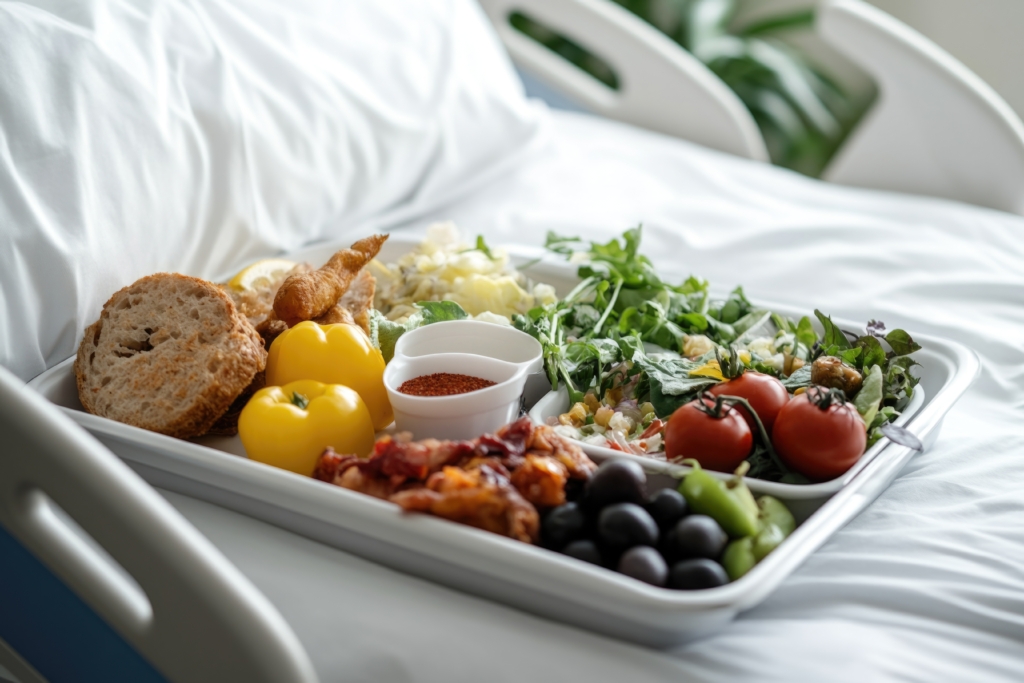
Study title: Eating sustainably, wasting less – AI-supported strategies for nutrition and food waste reduction in hospital settings – Implementation and guideline development at the University Medicine Essen (GREEN HOSPITAL FOOD)
Contact person: Hannah Schäfer / Kristin Hünninghaus
Study goal: Many patients are affected by malnutrition at the beginning of a hospital stay – with significant consequences for disease progression and an increased risk of complications and survival. At the same time, food waste is particularly high in institutional catering settings. The Green Hospital Food project focuses on the question of how healthy, sustainable, and resource-efficient nutrition can be successfully implemented in everyday hospital practice. For this purpose, we assess the needs of patients and staff, develop new plant-based meals, and use artificial intelligence to prevent malnutrition and reduce food waste. In addition, we strengthen nutrition literacy through educational and practical teachings. The goal is to develop an evidence-based guideline to support hospitals and catering services in implementing future-oriented, health-promoting nutrition concepts.
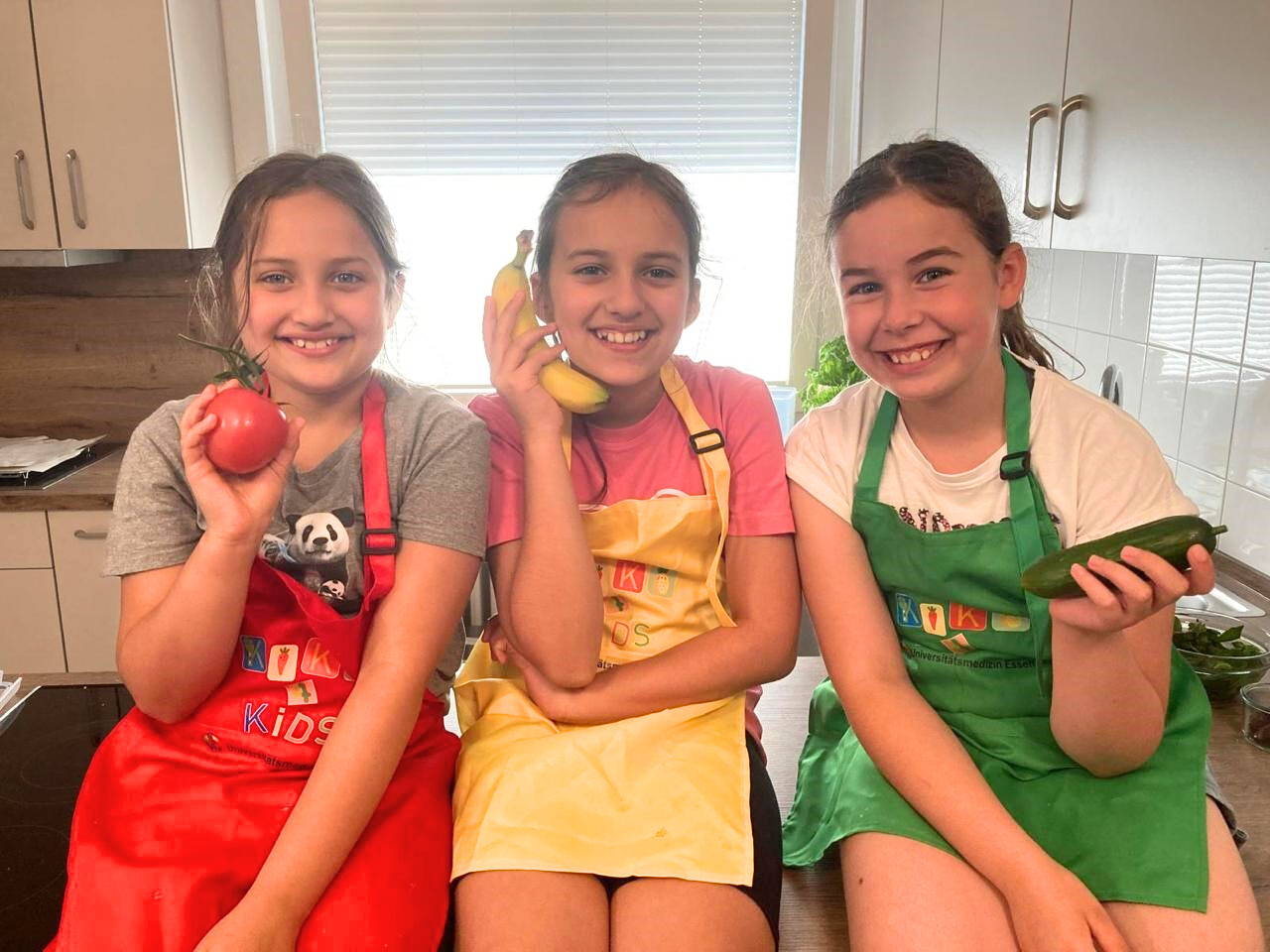
Study title: Children learn from children—A peer-based approach to building nutrition literacy (KIKO 4 KIDS)
Contact person: Andrea Sippel
Study goal: KIKO for Kids is an innovative nutrition education program designed by children for children, promoting healthy and sustainable eating habits among preschool and primary school children aged 5 to 11. As part of the program, children are trained by nutrition scientists to become “KIKO ambassadors.” These ambassadors share knowledge about healthy eating with their peers in a playful and engaging way – through hands-on cooking activities, age-appropriate explanations, and digital formats such as Zoom cooking classes. The program is based on the principles of the Planetary Health Diet and emphasizes plant-forward, seasonal, and regional foods. Curious? Discover our KIKO kids in action and watch the video.
Our Parters and Sponsors
Our Network